My Design Skills
…and examples of them in use
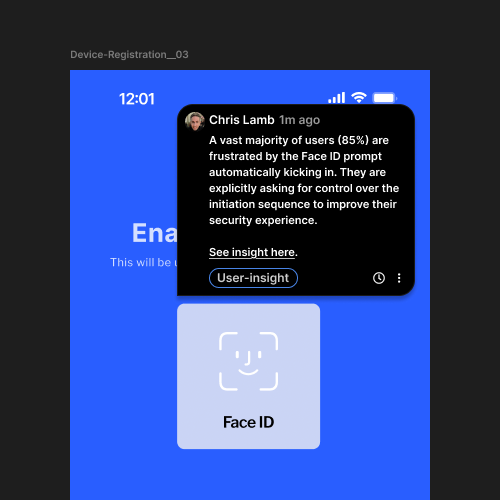
I meet user needs
Example:
I elevated the influence of User-Centered Design (UCD) on Backbase's Identity Management product. By successfully building a business case for dedicated UX research and testing tools, I secured the resources necessary to integrate user feedback directly into the design process. This transformed the perception of design, establishing it as a valid stakeholder in defining security standards rather than simply implementing tech-led decisions.
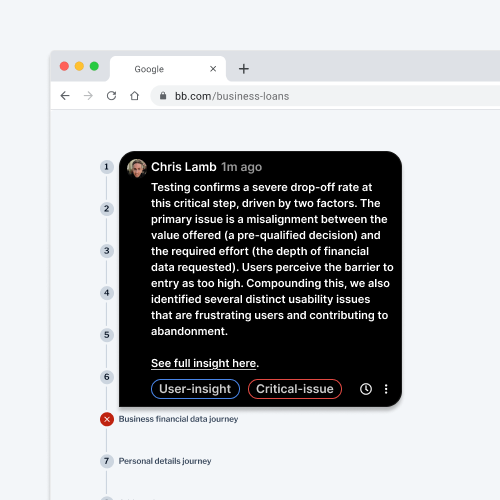
I am data-driven
Example:
I consistently use data to challenge assumptions and drive high-stakes product decisions. A key example involved the lending origination product at Backbase. Usage and conversion metrics revealed a significant drop-off rate when users were asked to manually upload three years of financial data. Qualitative research confirmed users saw this as unexpected friction before receiving a pre-qualified lending decision. Armed with this evidence, I successfully made the case to senior stakeholders to pivot away from including this recently built MVP journey, arguing for its removal and a fundamental redesign. This bold, data-backed recommendation saved resources and allowed the team to refocus on high-value user journeys.
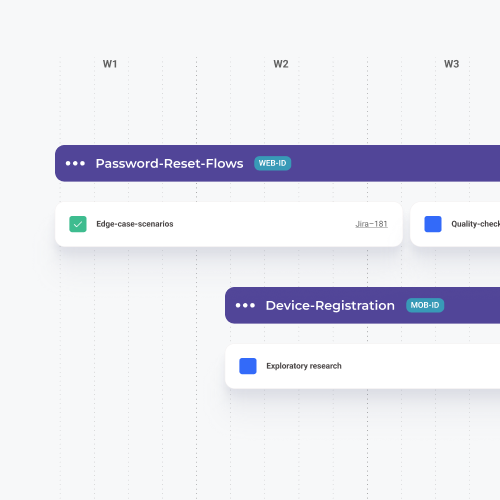
I am agile
Example:
As the sole designer in a Backbase product value stream, I managed the entire design output for multiple agile engineering squads, often pre-empting hiring. To transition from a reactive support model, I proactively established a scalable design process centered on early-stage collaboration. By leveraging 'three-amigo' sessions to align on high-level design clarity, I significantly reduced in-sprint design debt and streamlined development. This effort ensured new designers were onboarded to an established, high-efficiency workflow.
I facilitate
team growth
Example:
At Backbase, I've supported the team's expansion on more than one occasion, contributing to the hiring process and establishing a successful mentorship framework to onboard new designers rapidly. This hands-on experience in embedding and growing design talent has equipped me with the foundational skills for leadership. I am now seeking to transition this proven track record of team development into a formal line-management role.
I am a
systems-thinker
Example:
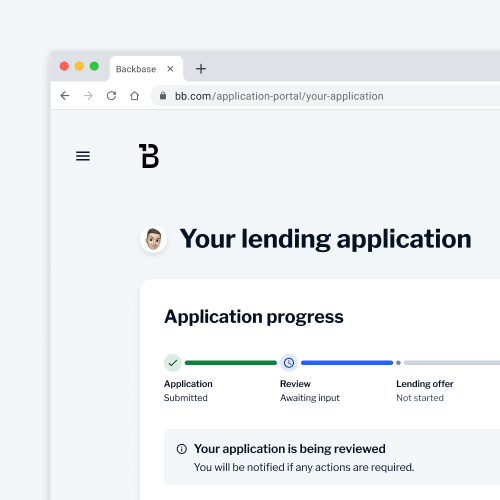
My systems thinking allows me to continuously zoom between the strategic and experience layers, enabling me to confidently shape and champion future product visions. A prime example of this was identifying the need for an 'Application Center' within the lending-origination process. The high-fidelity demos I created were instrumental in presenting this vision to potential clients, which directly resulted in securing the necessary funding and resources to establish a dedicated development squad for the new functionality
I am curious
Example:
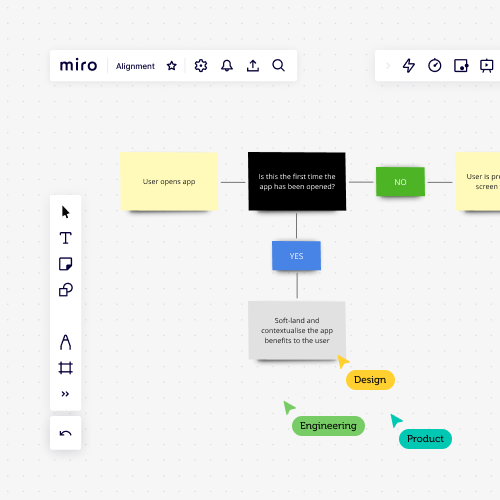
While I use Figma and the design system for compelling final designs and formal critique, I spend the majority of my time gaining alignment at a low-fidelity level in Miro. This early focus ensures a shared understanding of the design problem across the team. I often use Miro to communicate my design thinking and gather feedback, reinforcing my belief that successful design is a shared responsibility—a core component of my T-shaped approach to problem-solving.
I make things
simple
Example:
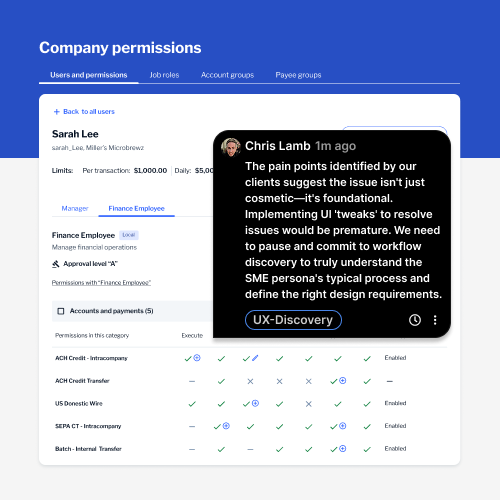
My core design philosophy is to use root-cause analysis to fully understand the problem before fixing any confusing components. This approach allowed me to tackle the challenging redesign of a complex user-permissions tool. By digging into the 'why,' I successfully transformed a cumbersome solution designed for corporate banks into an effective, simplified experience tailored specifically for our SME banking personas.

I make things
accessible
Example:
I treat the transition to development as the critical phase for accessibility governance. While the design system provides inherent accessibility best practices, my commitment extends to active maintenance. On multiple occasions, I have served on dedicated teams responsible for auditing and verifying component compliance against the latest WCAG updates. This proactive involvement ensures our foundational components are robust and accessible before they are implemented by engineering teams.
I have a product
mindset
Example:
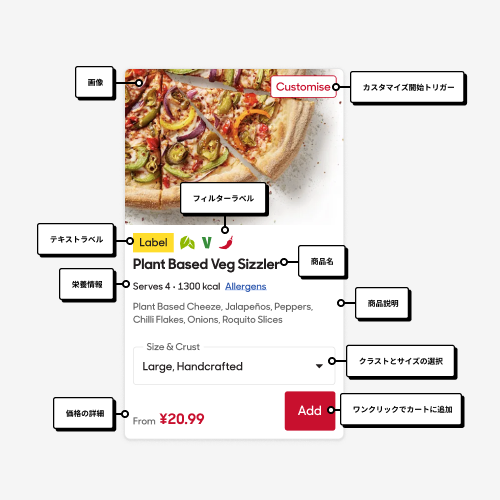
As the sole resource in this unique, strategic function on the Pizza Hut product discovery team, I am tasked with analyzing and gathering all functionality and design requirements for a major global platform deployment. My responsibilities include the end-to-end definition of new platform features and the strategic design requirements for iterating on existing experiences. This role requires and leverages my core strength: the ability to think and operate like a product manager to ensure effective execution, without compromising the core experience principles.